
17 YEARS MANUFACTURING EXPERIENCE
 Language


18
2024
-
09
Teeth Whitening
Tooth whitening is a common practice that is most frequently accomplished by utilizing peroxide-based bleaching agents.Nevertheless, studies have discovered that phthalimide peroxy caproic acid (PAP) can be selected as an effective ingredient for polymer composite gels that do not contain hydrogen peroxide.
What Is Teeth Whitening?
Teeth whitening refers to a specific procedure that is designed with the purpose of lightening the color of one's teeth and effectively removing various stains. There are different options available for teeth whitening. One can opt to have this procedure carried out at a dentist's office, where trained professionals utilize advanced techniques and products to achieve optimal results. On the other hand, it is also possible to perform teeth whitening on one's own at home. However, it is important to note that home-based methods may not be as effective as those administered in a dental office and may also pose certain risks if not done correctly.

Tooth whitening is a common practice that is most frequently accomplished by utilizing peroxide-based bleaching agents.
At-home whitening systems typically contain between 3% and 20% peroxide, which can be in the form of either carbamide peroxide or hydrogen peroxide. On the other hand, in-office systems have a higher concentration of peroxide, ranging from 15% to 43%.
In general, the stronger the whitening solution and the longer it is kept on the teeth, the greater the degree of whitening that can be achieved. However, it is important to note that as the percentage of peroxide in the whitening solution increases, the time it should be left on the teeth decreases. If the solution is kept on for too long, it can lead to dehydration of the teeth and an increase in tooth sensitivity.
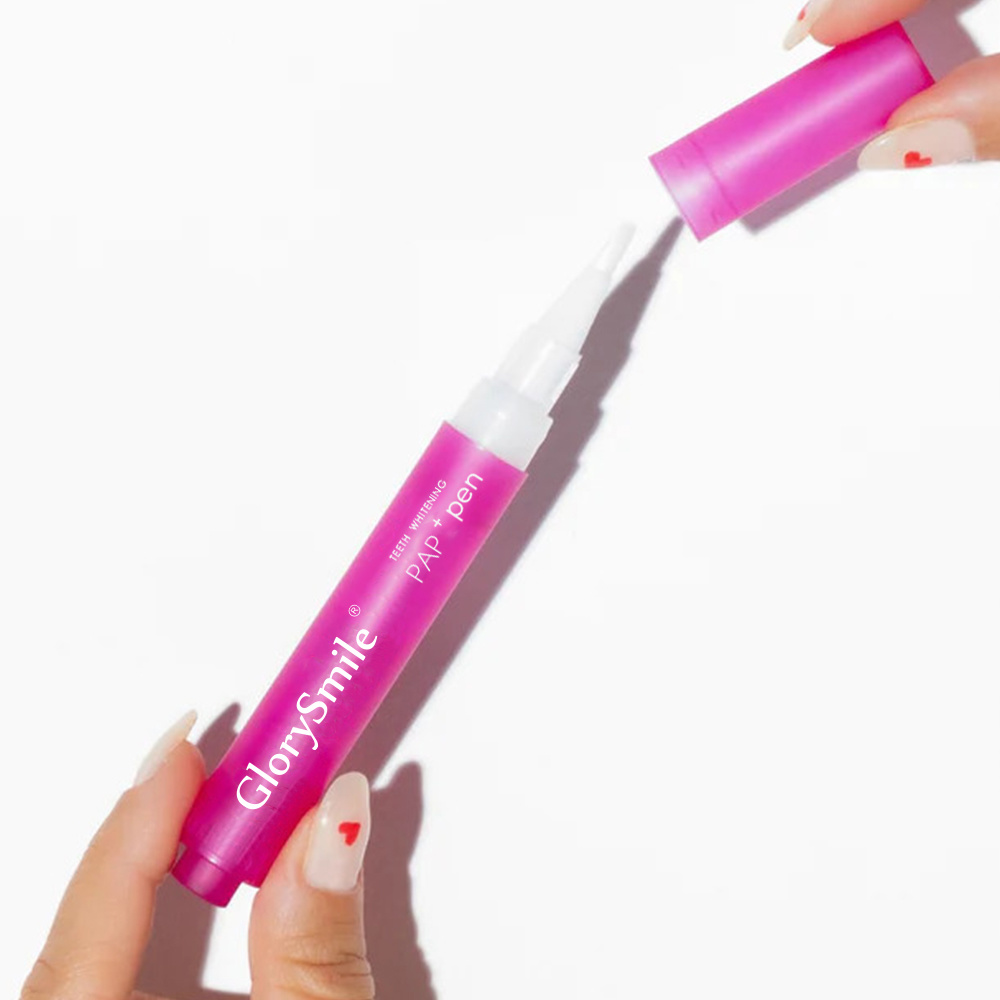
Nevertheless, studies have discovered that phthalimide peroxy caproic acid (PAP) can be selected as an effective ingredient for polymer composite gels that do not contain hydrogen peroxide. Moreover, when comparing the new whitening gels with those that contain hydrogen peroxide (HP, the traditional whitening ingredient), it has been found that polymer composite gels with 5% PAP have a whitening effect equivalent to gels with 3% HP, and composite gels with 12% PAP are equally as effective as gels with 8% HP. More importantly, it has been demonstrated that PAP tooth whitening gel is much safer and more reliable than products based on HP. This indicates that PAP-based tooth whitening products can replace low-concentration peroxide teeth whitening gels in the home market.
There are advantages and disadvantages to each option for tooth whitening. Before attempting to use at-home tooth-bleaching kits, it is advisable to talk to your dentist. Not everyone will experience good results. Additionally, bleaching will not whiten porcelain crowns or tooth-colored composite bondings.

Tooth Discoloration
When your teeth appear stained or darkened, you are experiencing tooth discoloration. This can manifest in various ways, such as the entire tooth being affected or there being lines or spots on the tooth's surface. There are two fundamental types of tooth discoloration.
Intrinsic, or internal, discoloration occurs within the tooth itself. Factors that can lead to this type of discoloration comprise aging, tooth injuries, certain health conditions, and particular medications. As people age, the natural structure of teeth can change, potentially resulting in a darker appearance. Tooth injuries can also cause internal discoloration as the internal tissues of the tooth may be affected. Additionally, specific health conditions might impact the color of teeth from the inside. And certain medications, when taken over a period of time, can contribute to internal discoloration.
Extrinsic, or external, discoloration takes place when substances like foods, beverages, or tobacco leave stains on the tooth's surface. Poor oral hygiene is another factor that can cause this type of discoloration. For instance, consuming highly pigmented foods and beverages regularly without proper oral care can lead to the accumulation of stains on the teeth.
In-Office Teeth Whitening
Teeth whitening performed by your dentist can make your teeth brighter at a much faster rate. The bleaching solution used in the dentist's office is typically significantly stronger than that found in at-home whitening kits. Moreover, your dentist can utilize heat, light, or a combination of both to accelerate and enhance the whitening process.
The most remarkable results, where teeth generally become three to eight shades brighter, usually require several in-office visits lasting 30 to 60 minutes each. Some dentists employ techniques that can be completed in a single two-hour appointment, such as the Zoom system. This advanced system offers a convenient option for those seeking a quicker and more dramatic transformation of their teeth's appearance.

At-Home Teeth Whitening
When it comes to whitening teeth in the comfort of your own home, there are numerous options available. Some of the commonly employed methods are as follows:
Tooth whitening strips and gels are a popular choice. These peroxide-based tooth bleaching products can be applied directly to the teeth either with a brush or a thin strip. Typically, they need to be applied once or twice a day for a duration of 10 to 14 days. By using these products, it is possible to lighten your teeth by one or two shades. The results can last for four months or even longer.
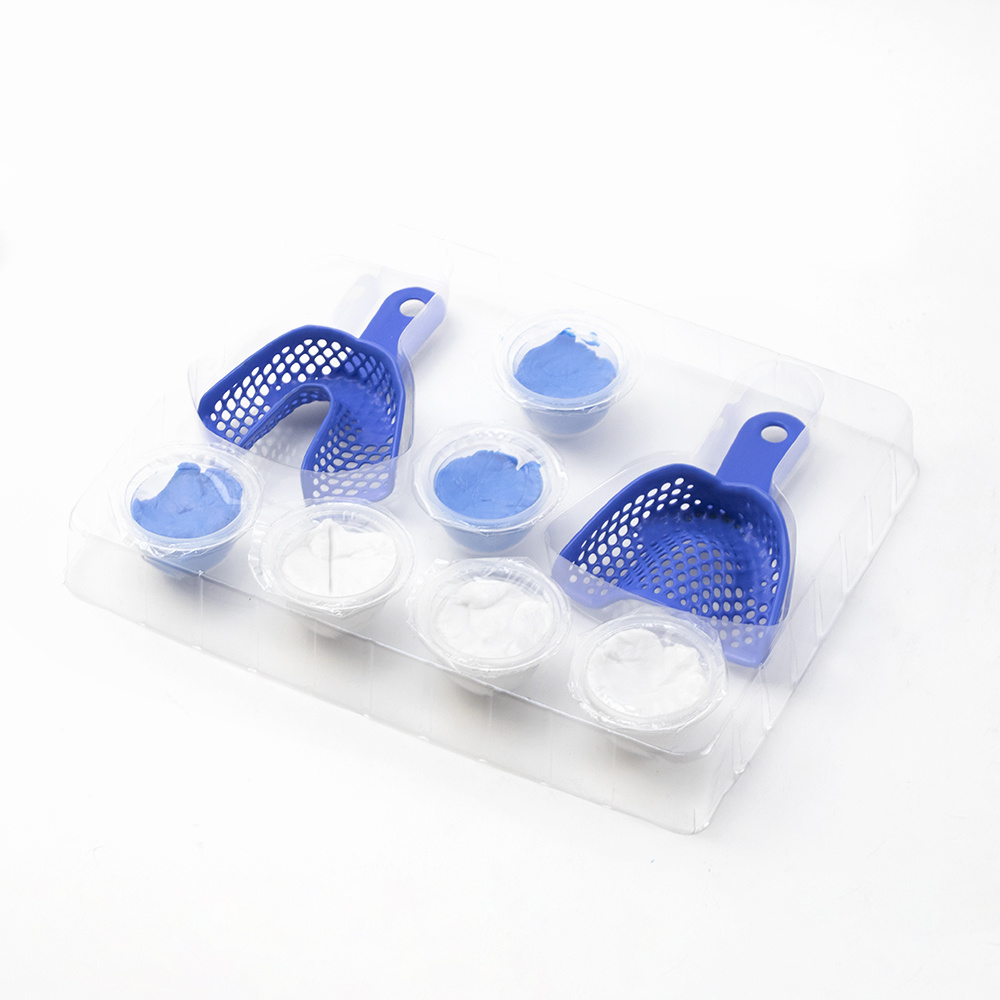
Tray-based tooth bleaching systems are another option. With this teeth whitening approach, a mouth guard-like tray is filled with a peroxide-based bleaching gel or paste and then placed over the teeth for one to several hours a day. This process can continue for up to 4 weeks. You have the option to purchase tray-based tooth whitening systems over the counter or have one custom-fitted by your dentist.
Tooth whitening toothpastes also play a role in the quest for whiter teeth. Since every toothpaste is mildly abrasive, it helps in removing stains from teeth. Whitening toothpastes, in particular, contain chemicals or polishing agents that assist in scrubbing stains even without the aid of a bleaching agent. These toothpastes are relatively inexpensive and can brighten teeth by approximately one shade. Some of them contain peroxides, but due to the limited time they are left on the teeth, they do not have a particularly strong whitening benefit.
Whitening rinses are yet another option. By rinsing your teeth for 60 seconds twice a day with these products, which contain hydrogen peroxide, you can make your teeth appear slightly whiter.

How to Keep Teeth White
Maintaining white teeth is a goal for many people. Whether you opt for an at-home tooth-whitening system or decide to have your teeth bleached by a dentist, there are steps you can take to help preserve the results. Regularly brushing your teeth is essential. Use a good quality toothpaste and brush thoroughly to remove plaque and stains. Flossing is also crucial as it helps clean the areas between teeth where a brush may not reach. Additionally, keeping up with your dental appointments is highly important. Your dentist can provide professional cleanings and offer advice on maintaining your teeth's whiteness.
Moreover, it is advisable to avoid acidic foods and beverages. These can erode the enamel on your teeth and make them more susceptible to staining. Foods and beverages rich in tannins, substances found in plants with an astringent quality, should be avoided as well. Deeply colored items that could potentially stain your teeth are also best avoided. This includes black teas and coffee, which are known for their dark color and can leave stains on teeth over time. White and red wine can also cause discoloration. Sports drinks often contain ingredients that can stain teeth. Carbonated beverages, both dark and light-colored sodas, can have a negative impact on teeth's whiteness. Intensely colored foods like blueberries are another item to be cautious of. Sauces such as soy, tomato, and curries can also contribute to staining.
Is Teeth Whitening Safe?
Teeth whitening is a topic that many people are curious about. When carried out in the correct manner, teeth whitening is typically safe. However, it's important to note that there can be risks associated with it. These risks depend on several factors. Firstly, they depend on what product or method you use to whiten your teeth. Different whitening products may have varying levels of safety. Secondly, the frequency of use is a crucial factor. If you use whitening products too often, it could increase the likelihood of potential risks. Additionally, the duration for which you use these products also plays a role. Prolonged use might pose more significant risks compared to shorter durations.
For more information about teeth whitening, you can contact the professional 15-year source manufacturer: www.glorysmile.com
Previous page
Related news

undefined
Related products
COMPANY
About Us
OEM Service
After-Sale: info@glorysmile.com
QUICK CONTACT
Makou Industrial Park, Yongxiu County, Jiujiang City, Jiangxi Province, China, 332000
+86 17779110152
Follow Us

Copyright © 2022 DENT(HK)LIMITED LTD SEO
 +8617779110152
 tasha@enjoywhite.com
 Message
