
17 YEARS MANUFACTURING EXPERIENCE
 Language




02
2025
-
08
Understanding the Ingredients in Teeth Whitening Strips: A Comprehensive Guide
Understanding the Ingredients in Teeth Whitening Strips: A Comprehensive Guide Table of Contents Introduction to Teeth Whitening Strips How Teeth Whitening Strips Work Common Ingredients in Teeth Whitening Strips Hydrogen Peroxide Carbamide Peroxide Whitening Agents Additional Ingredients Thickening Agents Flavoring Agents Safety a
Understanding the Ingredients in Teeth Whitening Strips: A Comprehensive Guide
Table of Contents
- Introduction to Teeth Whitening Strips
- How Teeth Whitening Strips Work
- Common Ingredients in Teeth Whitening Strips
- Additional Ingredients
- Safety and Efficacy of Teeth Whitening Strips
- Choosing the Right Teeth Whitening Strip
- Frequently Asked Questions
- Conclusion
Introduction to Teeth Whitening Strips
Teeth whitening strips have surged in popularity as a convenient and effective way to achieve a brighter smile. These thin, flexible strips are coated with a whitening gel, allowing users to tackle tooth discoloration caused by various factors, including age, diet, and lifestyle habits. While many consumers are drawn to the ease of use and quick results, it is essential to understand the ingredients in these strips. By examining the components that make up these products, we can gain insight into their effectiveness and safety.
How Teeth Whitening Strips Work
Teeth whitening strips utilize active ingredients that penetrate the enamel's surface and break down stains. When applied to the teeth, the adhesive backing of the strips ensures they stay in place, allowing for maximum contact with the tooth surface. The duration of application varies depending on the product, typically ranging from 30 minutes to a few hours, depending on the concentration of ingredients.
The primary mechanism behind most whitening strips involves oxidation reactions where the whitening agents release oxygen molecules that work to lift stains. Understanding the specific ingredients involved is crucial for selecting effective and safe products.
Common Ingredients in Teeth Whitening Strips
While various brands may include different formulations, several key ingredients are commonly found in teeth whitening strips.
Hydrogen Peroxide
Hydrogen peroxide is one of the most prevalent whitening agents found in teeth whitening strips. It acts as a bleaching agent, oxidizing stains and discoloration on the tooth surface. Many products contain concentrations ranging from 3% to 10%. Higher concentrations can yield more noticeable results but may also increase the risk of tooth sensitivity.
Hydrogen peroxide is favored for its rapid action, providing visible results in a short time frame. However, individuals with sensitive teeth or gum issues should consult with a dental professional before using high-concentration products.
Carbamide Peroxide
Carbamide peroxide is another popular ingredient, often considered a gentler alternative to hydrogen peroxide. It breaks down into hydrogen peroxide when applied, making it effective for whitening. Typically found in concentrations around 10% to 35%, carbamide peroxide releases the active hydrogen peroxide over a more extended period, which can be beneficial for those with sensitive teeth.
This ingredient is commonly found in both professional and over-the-counter whitening products, making it a versatile choice for various formulations.
Whitening Agents
In addition to hydrogen peroxide and carbamide peroxide, many whitening strips include other whitening agents like sodium bicarbonate or silica. Sodium bicarbonate, commonly known as baking soda, acts as a mild abrasive that helps to remove surface stains. Silica helps improve the texture of the strips and can aid in the whitening process by providing gentle polishing effects.
These additional agents can enhance the overall effectiveness of whitening strips, working synergistically with the primary bleaching agents.
Additional Ingredients
Beyond the active whitening agents, several ancillary ingredients play important roles in the formulation of teeth whitening strips.
Thickening Agents
Thickening agents, such as xanthan gum or carbomer, are included in whitening strips to create a gel-like consistency. This ensures that the whitening agent adheres evenly to the teeth and does not run off during application. These agents help maintain the product's effectiveness and user experience by ensuring full coverage of the tooth surface.
Flavoring Agents
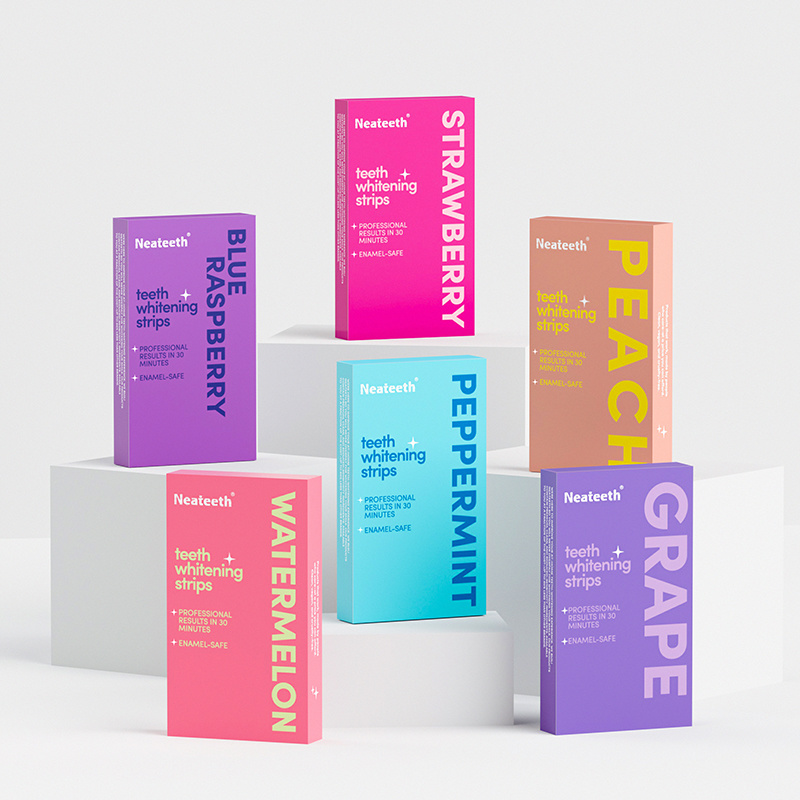
To improve the taste and overall experience, many teeth whitening strips include flavoring agents. These can range from mint to fruit flavors, designed to make the whitening process more pleasant. Although flavoring agents do not contribute to the whitening effect, they enhance user satisfaction, encouraging consistent use.
Safety and Efficacy of Teeth Whitening Strips
When used as directed, teeth whitening strips are generally safe. However, potential side effects include tooth sensitivity and gum irritation, particularly with higher concentrations of hydrogen peroxide. It is crucial for users to follow the product instructions carefully and consult their dentist if they experience discomfort.
Research indicates that teeth whitening strips can effectively lighten tooth color, with many users reporting noticeable improvements in just a few applications. For individuals with specific dental concerns, such as crowns or fillings, consulting a dental professional before starting any whitening treatment is advisable.
Choosing the Right Teeth Whitening Strip
Selecting the right teeth whitening strip involves considering several factors:
1. **Concentration of Active Ingredients**: For those with sensitive teeth, lower concentrations of hydrogen or carbamide peroxide are recommended.
2. **Duration of Use**: Some strips require longer application times than others. Ensure that you can commit to the necessary duration for effective results.
3. **Brand Reputation**: Consider brands with positive reviews and clinical backing. Consulting with your dentist can help in identifying reputable products.
4. **Personal Dental Health**: Assess your dental health. If you have existing dental issues, consult your dentist before beginning treatment.
5. **Desired Results**: Different products may promise varying levels of whitening. Outline your expectations and choose a product that aligns with them.
Frequently Asked Questions
1. How often can I use teeth whitening strips?
Most brands recommend using whitening strips once a day for a specific duration (usually 30 minutes to two hours) for optimal results. It is essential to follow the manufacturer’s guidelines.
2. Can teeth whitening strips damage enamel?
When used as directed, teeth whitening strips are safe and do not damage enamel. However, overuse or using high-concentration products can lead to sensitivity or damage.
3. How long do the effects of whitening strips last?
The longevity of results varies by individual. Typically, the effects can last several months, depending on dietary habits and oral hygiene.
4. Are there any side effects of using teeth whitening strips?
Possible side effects include tooth sensitivity and minor gum irritation. These are usually temporary and subside after discontinuation.
5. Can I use whitening strips if I have dental work like crowns or veneers?
Whitening strips will not lighten the color of dental work. It is advisable to consult your dentist for personalized advice in such cases.
Conclusion
Understanding the ingredients in teeth whitening strips empowers consumers to make informed decisions about their dental care. By examining the roles of hydrogen peroxide, carbamide peroxide, and other auxiliary components, we can appreciate the science behind these popular products. As with any dental treatment, it is essential to consider individual sensitivity and dental health when choosing a whitening solution. With the right knowledge and approach, achieving a brighter smile can be both effective and safe.
Related news

undefined
Related products
COMPANY
About Us
OEM Service
After-Sale: info@glorysmile.com
QUICK CONTACT
Makou Industrial Park, Yongxiu County, Jiujiang City, Jiangxi Province, China, 332000
+86 17779110152
Follow Us

Copyright © 2022 DENT(HK)LIMITED LTD SEO
 +8617779110152
 tasha@enjoywhite.com
 Message
