
17 YEARS MANUFACTURING EXPERIENCE
 Language




09
2025
-
07
Teeth Whitening Strips vs. Professional Treatments: Exploring the Key Differences
Teeth Whitening Strips vs. Professional Treatments: Exploring the Key Differences Table of Contents 1. Introduction to Teeth Whitening 2. Understanding Teeth Whitening Strips 3. Pros and Cons of Teeth Whitening Strips 4. An Overview of Professional Whitening Treatments 5. Advantages and Disadvantages of Professional Treatments 6. Comparing Effectiveness: Strips vs. Professional Treatm
Teeth Whitening Strips vs. Professional Treatments: Exploring the Key Differences
Table of Contents
- 1. Introduction to Teeth Whitening
- 2. Understanding Teeth Whitening Strips
- 3. Pros and Cons of Teeth Whitening Strips
- 4. An Overview of Professional Whitening Treatments
- 5. Advantages and Disadvantages of Professional Treatments
- 6. Comparing Effectiveness: Strips vs. Professional Treatments
- 7. Cost Analysis: Is It Worth the Investment?
- 8. Aftercare and Maintenance Tips
- 9. Frequently Asked Questions
- 10. Conclusion
1. Introduction to Teeth Whitening
The desire for a radiant smile has led to the popularity of teeth whitening as a common cosmetic dental procedure. With advancements in dental technology and a growing emphasis on aesthetics, individuals now have various options for brightening their teeth. **Teeth whitening strips** and **professional whitening treatments** are two of the most sought-after methods. In this article, we will delve into the intricacies of these two approaches, helping you make an informed decision about which method is best suited for your needs.
2. Understanding Teeth Whitening Strips
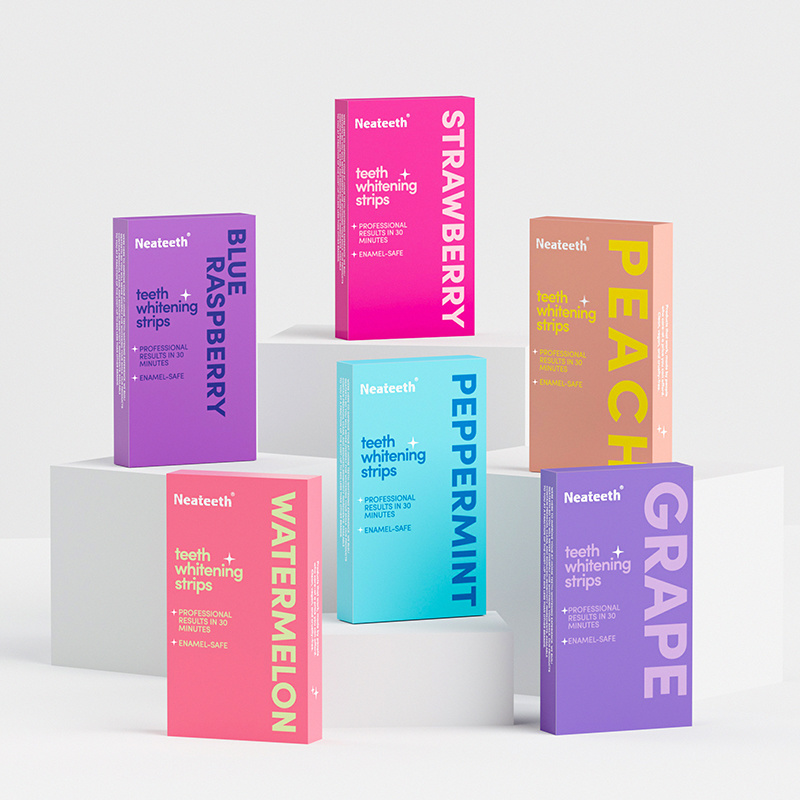
**Teeth whitening strips** are thin, flexible strips coated with a whitening gel that contains hydrogen peroxide or carbamide peroxide, the active ingredients responsible for lightening tooth color. These strips are designed for **at-home use** and are often marketed as a convenient and cost-effective solution for achieving a brighter smile.
How Do Teeth Whitening Strips Work?
Teeth whitening strips work through a chemical reaction. The active ingredients penetrate the enamel and dentin layers of the teeth, breaking down stains caused by food, beverages, smoking, and aging. The application process is straightforward: users typically apply the strips to their teeth for a specified duration, usually ranging from 30 minutes to an hour, depending on the brand.
Types of Teeth Whitening Strips
The market offers various types of whitening strips, including:
- **Daily use strips**: These are to be applied regularly, often for up to 14 days, to slowly whiten teeth.
- **Express strips**: These are designed for quick results, typically used for a shorter duration.
- **Sensitive teeth strips**: Specially formulated for individuals with tooth sensitivity, using gentler ingredients.
3. Pros and Cons of Teeth Whitening Strips
Before deciding on teeth whitening strips, it is essential to understand their advantages and disadvantages.
Pros
- **Affordability**: Teeth whitening strips are generally less expensive than professional treatments, making them accessible to a broader audience.
- **Convenience**: They can be used at home without the need for dental appointments, allowing for flexibility in scheduling.
- **Ease of Use**: Most brands offer straightforward instructions, making them user-friendly even for beginners.
Cons
- **Variable Results**: The effectiveness of strips can vary significantly among individuals, depending on the severity of the stains and the desired whiteness.
- **Limited Coverage**: Strips may not cover all areas of the teeth equally, leading to uneven results.
- **Temporary Effects**: Results may fade over time, requiring repeated applications to maintain brightness.
4. An Overview of Professional Whitening Treatments
**Professional whitening treatments** are administered by dental professionals and utilize stronger bleaching agents than those available in over-the-counter products. These procedures can be performed in-office or through take-home kits provided by dentists, offering a customized approach to teeth whitening.
Types of Professional Treatments
There are primarily two types of professional whitening methods:
- **In-office whitening**: This procedure typically involves applying a high-concentration whitening gel to the teeth, often activated by a specialized light or laser, resulting in immediate effects.
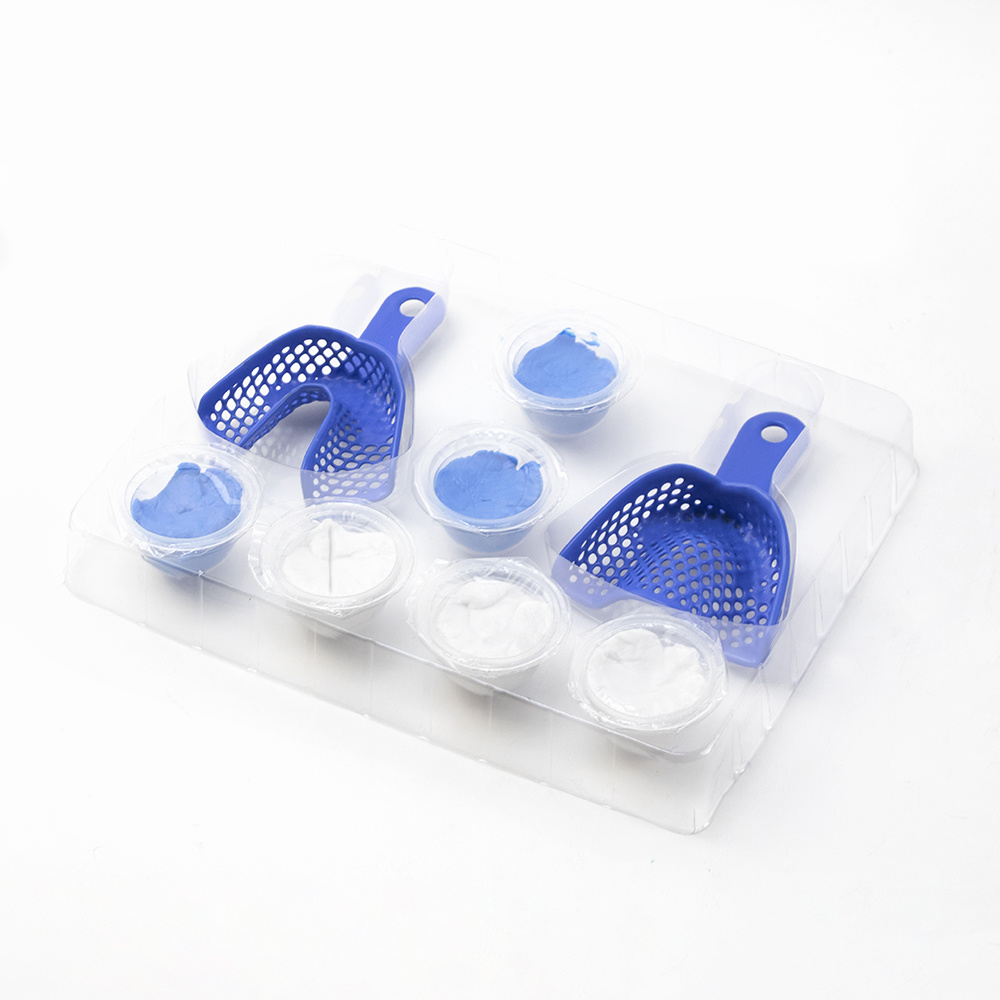
- **Take-home kits**: Dentists provide custom-fitted trays and a professional-grade whitening gel for at-home use, tailored to the patient’s needs.
5. Advantages and Disadvantages of Professional Treatments
Like any other dental procedure, professional whitening treatments come with their own set of advantages and disadvantages.
Advantages
- **Immediate Results**: In-office treatments can provide significant whitening in just one visit, often achieving dramatic results.
- **Customized Approach**: Dentists assess each patient’s specific needs, tailoring the treatment for optimal results.
- **Safety and Supervision**: Professional supervision ensures that the treatment is safe and effective, minimizing the risk of side effects.
Disadvantages
- **Cost**: Professional treatments are generally more expensive than at-home options, which may deter some individuals.
- **Time Commitment**: In-office procedures require scheduling appointments, which might not be feasible for everyone.
- **Potential Sensitivity**: Some patients may experience increased tooth sensitivity after professional treatments, although this is typically temporary.
6. Comparing Effectiveness: Strips vs. Professional Treatments
When evaluating the effectiveness of **teeth whitening strips** versus **professional treatments**, several factors come into play.
Speed of Results
Professional treatments tend to yield faster results, often showing noticeable whitening after just one session. In contrast, whitening strips may take longer to achieve similar results, typically requiring consistent use over several days or weeks.
Long-term Effects
While professional treatments can provide longer-lasting results, the longevity of whitening depends on individual habits, such as diet and oral hygiene. Teeth whitening strips may require more frequent applications to maintain whiteness, especially for individuals with significant staining.
Safety and Side Effects
Professional treatments are generally safer due to dental supervision, with dentists taking measures to minimize sensitivity and ensure proper application. On the other hand, at-home strips can sometimes lead to uneven application or overuse, resulting in gum irritation or sensitivity.
7. Cost Analysis: Is It Worth the Investment?
Understanding the cost differences between teeth whitening strips and professional treatments is crucial for making an informed decision.
Teeth Whitening Strips Cost
The price of teeth whitening strips varies by brand and quantity but generally ranges from $20 to $50. This affordability makes them an attractive option for those looking to enhance their smile without breaking the bank.
Professional Treatments Cost
In-office whitening procedures can cost anywhere from $300 to $1,000, depending on the dentist, the treatment used, and geographical location. Take-home kits may be slightly less expensive but still represent a significant investment.
Value for Money
While the initial expense for professional treatments is higher, the results may warrant the investment, especially for individuals seeking significant and immediate whitening. Teeth whitening strips, while cost-effective, may lead to varying results that are best for individuals with mild staining.
8. Aftercare and Maintenance Tips
Proper aftercare is essential for maintaining the brightness achieved through either whitening method.
After Using Whitening Strips
- **Avoid Staining Foods and Drinks**: Limit consumption of coffee, tea, red wine, and dark-colored foods immediately after use.
- **Maintain Oral Hygiene**: Brush and floss regularly to prevent plaque buildup and staining.
After Professional Treatments
- **Follow Dentist’s Instructions**: Adhere to any guidelines provided by your dentist for optimal results.
- **Use Whitening Toothpaste**: Consider using toothpaste formulated for whitening to prolong results.
9. Frequently Asked Questions
1. How long do teeth whitening strips take to show results?
Most users start seeing results in about 3-5 days of consistent use, with full results typically appearing after two weeks.
2. Are teeth whitening strips safe for sensitive teeth?
Many brands offer specially formulated strips for sensitive teeth. However, it’s always best to consult with a dentist if you have concerns.
3. Can professional treatments cause damage to teeth?
When performed by qualified professionals, the risk of damage is minimal. Dentists take precautions to protect enamel and gums.
4. How often can I use whitening strips?
Follow the instructions on the packaging, but generally, they can be used every few months for maintaining brightness.
5. Do professional whitening treatments hurt?
Some patients may experience sensitivity during or after treatment, but this discomfort is usually temporary. Dentists can recommend desensitizing agents if needed.
10. Conclusion
Choosing between **teeth whitening strips** and **professional treatments** ultimately depends on individual preferences, budget, and desired results. While teeth whitening strips offer convenience and affordability, professional treatments provide faster, more dramatic results under the guidance of a dental professional. By weighing the pros and cons of each option, individuals can make an informed choice that aligns with their cosmetic dental goals. Whichever method you choose, a brighter smile is within your reach!
Related news

undefined
Related products
COMPANY
About Us
OEM Service
After-Sale: info@glorysmile.com
QUICK CONTACT
Makou Industrial Park, Yongxiu County, Jiujiang City, Jiangxi Province, China, 332000
+86 17779110152
Follow Us

Copyright © 2022 DENT(HK)LIMITED LTD SEO
 +8617779110152
 tasha@enjoywhite.com
 Message