
17 YEARS MANUFACTURING EXPERIENCE
 Language


24
2025
-
04
Teeth Whitening Strips: Myths and Facts You Should Know
Teeth Whitening Strips: Myths and Facts You Should Know Table of Contents Introduction to Teeth Whitening Strips What Are Teeth Whitening Strips? How Do Teeth Whitening Strips Work? Common Myths About Teeth Whitening Strips Myth 1: Teeth Whitening Strips Damage Enamel Myth 2: All Teeth Whitening Strips Are the Same Myth 3: Results Are Immediate Myth 4: Teeth Whitening Strips Are Only for Yellow
Teeth Whitening Strips: Myths and Facts You Should Know
Table of Contents
- Introduction to Teeth Whitening Strips
- What Are Teeth Whitening Strips?
- How Do Teeth Whitening Strips Work?
- Common Myths About Teeth Whitening Strips
- Myth 1: Teeth Whitening Strips Damage Enamel
- Myth 2: All Teeth Whitening Strips Are the Same
- Myth 3: Results Are Immediate
- Myth 4: Teeth Whitening Strips Are Only for Yellow Teeth
- Myth 5: You Can Whiten Your Teeth Too Much
- Scientific Facts About Teeth Whitening Strips
- Best Practices for Using Teeth Whitening Strips
- Potential Side Effects of Teeth Whitening Strips
- Frequently Asked Questions
- Conclusion
Introduction to Teeth Whitening Strips
Teeth whitening strips have emerged as a popular choice for individuals looking to enhance their smiles. These convenient and easy-to-use products promise brighter teeth in the comfort of your own home. However, with their popularity comes a plethora of myths and misinformation. In this article, we will delve into the essentials of teeth whitening strips, examining both the facts and the myths.
What Are Teeth Whitening Strips?
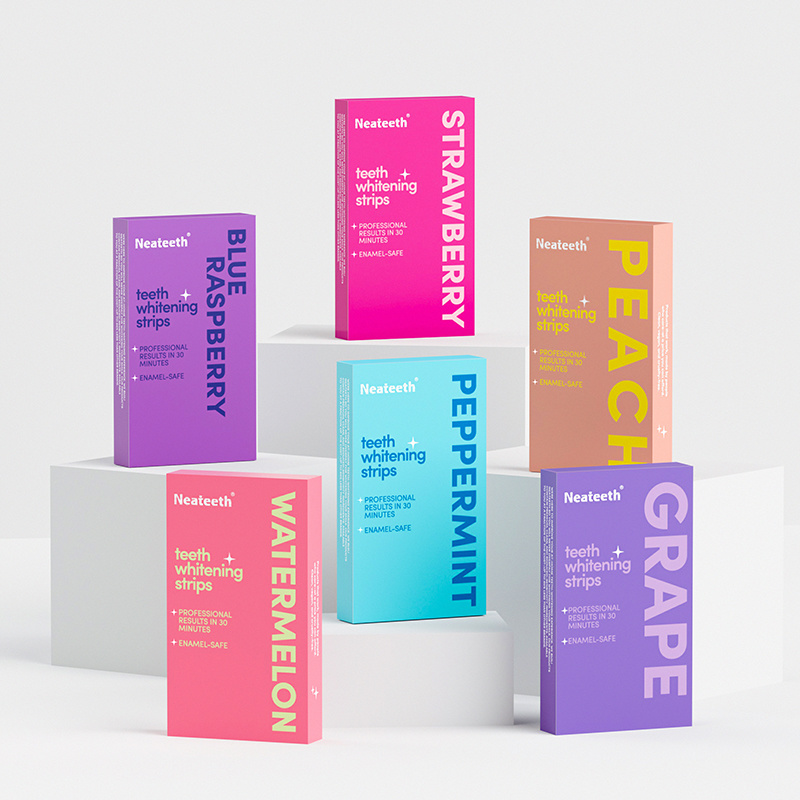
Teeth whitening strips are thin, flexible pieces of plastic that are coated with a whitening gel, typically containing hydrogen peroxide or carbamide peroxide. These strips are designed to be applied directly to the teeth and are available in various strengths. Users typically wear them for a designated period, ranging from 30 minutes to a couple of hours, depending on the product's instructions.
How Do Teeth Whitening Strips Work?
The active ingredients in whitening strips penetrate the enamel and reach the discolored molecules within the teeth. The peroxide compounds oxidize these pigments, effectively breaking them down and resulting in a whiter appearance. The concentration of the whitening agent and the duration of application play crucial roles in achieving desired results.
Common Myths About Teeth Whitening Strips
Despite their popularity, several **myths** surrounding teeth whitening strips could misinform potential users. Here, we will debunk some of the most common misconceptions.
Myth 1: Teeth Whitening Strips Damage Enamel
Many believe that using whitening strips can harm the enamel, leading to increased sensitivity and decay. However, when used as directed, most over-the-counter whitening strips are safe and do not cause permanent damage to the enamel. It is essential to follow the instructions provided by the manufacturer to mitigate any risks.
Myth 2: All Teeth Whitening Strips Are the Same
Not all whitening strips are created equal. Different brands and products vary in terms of active ingredients, concentration levels, and application times. It is crucial to research and choose a reputable brand that meets your specific needs for effective results.
Myth 3: Results Are Immediate
While some users might experience a noticeable difference after a single application, significant results typically require consistent use over several days or weeks. Patience is key when using teeth whitening strips to achieve the desired level of brightness.
Myth 4: Teeth Whitening Strips Are Only for Yellow Teeth
Teeth whitening strips can be effective for various types of discoloration, not just yellow stains. They address issues such as brown or gray discoloration as well, making them a versatile option for many individuals seeking a brighter smile.
Myth 5: You Can Whiten Your Teeth Too Much
While excessive use of whitening products can lead to sensitivity and other issues, following the recommended guidelines prevents overuse. Most products indicate a safe frequency for application, allowing users to maintain a bright smile without overdoing it.
Scientific Facts About Teeth Whitening Strips
Understanding the scientific background of teeth whitening strips can help users make informed decisions.
1. **Effectiveness**: Studies show that whitening strips can lead to a noticeable improvement in tooth brightness, particularly for yellowed teeth.
2. **Enamel Safety**: Research indicates that when used according to directions, whitening strips do not significantly compromise enamel integrity. Instead, they often include ingredients that help maintain enamel health.
3. **User Satisfaction**: Many users report high satisfaction rates with their results, with a substantial percentage experiencing visible whitening after just a few days of use.
4. **Time-Efficiency**: Compared to professional whitening treatments, whitening strips offer a more efficient and economical solution, allowing users to achieve results at their own pace.
Best Practices for Using Teeth Whitening Strips
To maximize the effectiveness of teeth whitening strips, consider the following best practices:
- **Follow the Instructions**: Always adhere to the manufacturer's guidelines regarding the duration and frequency of use to avoid adverse effects.
- **Brush Before Application**: Cleaning your teeth prior to applying strips can help remove plaque and enhance the effectiveness of the whitening agent.
- **Avoid Certain Foods and Beverages**: After using whitening strips, it is advisable to refrain from consuming staining foods and drinks, such as coffee, red wine, and berries, for at least 24 hours.
- **Stay Hydrated**: Drinking plenty of water can help maintain oral health and support the whitening process.
- **Consult a Dentist**: If you have concerns about your dental health or specific stains, consulting with a dental professional can provide tailored advice.
Potential Side Effects of Teeth Whitening Strips
While using teeth whitening strips is generally safe, some users may experience side effects, including:
- **Tooth Sensitivity**: Some individuals may notice increased sensitivity to hot or cold temperatures during or after use. This sensitivity is usually temporary and subsides after discontinuing use.
- **Gum Irritation**: The whitening gel may irritate the gums, especially if the strips are applied incorrectly or left on for too long.
- **Uneven Results**: Incomplete application or uneven placement of the strips can lead to patchy whitening.
If any side effects persist or worsen, it is advisable to stop using the product and consult a dental professional.
Frequently Asked Questions
1. How long does it take to see results from teeth whitening strips?
Most users begin to see results within a few days, but for optimal whitening, a full treatment course of 10 to 14 days is often recommended.
2. Can I use teeth whitening strips if I have sensitive teeth?
Yes, many whitening strips are formulated for sensitive teeth. However, individuals with significant sensitivity should consult their dentist before starting a whitening regimen.
3. Is it safe to use teeth whitening strips during pregnancy?
While there is no conclusive evidence on the safety of whitening strips during pregnancy, many dentists recommend avoiding them until after childbirth to be on the safe side.
4. Can I use whitening strips with dental work?
Teeth whitening strips may not be effective on dental work such as crowns or veneers, and it’s best to consult with a dentist before using them if you have significant dental restorations.
5. Are there any alternatives to teeth whitening strips?
Yes, alternatives include professional dental whitening treatments, LED whitening devices, and natural remedies. Each method has its pros and cons, and individuals should choose based on comfort and desired results.
Conclusion
Teeth whitening strips can be a valuable tool for achieving a brighter smile, provided users understand the facts versus the myths. By being informed about how these products work, following best practices, and debunking common misconceptions, individuals can safely and effectively enhance their dental aesthetics. Prioritizing oral health and consulting with dental professionals when in doubt will ensure that your journey to whiter teeth is both safe and successful.
Related news

undefined
Related products
COMPANY
About Us
OEM Service
After-Sale: info@glorysmile.com
QUICK CONTACT
Makou Industrial Park, Yongxiu County, Jiujiang City, Jiangxi Province, China, 332000
+86 17779110152
Follow Us

Copyright © 2022 DENT(HK)LIMITED LTD SEO
 +8617779110152
 tasha@enjoywhite.com
 Message
