
17 YEARS MANUFACTURING EXPERIENCE
 Language






27
2025
-
02
Electric Toothbrush Features: What Really Matters?
Electric Toothbrush Features: What Really Matters? Table of Contents 1. Introduction to Electric Toothbrushes 2. Benefits of Using Electric Toothbrushes 3. Different Types of Electric Toothbrushes 4. Brushing Modes: Finding the Right One for You 5. Timer Features: Ensuring Effective Brushing 6. Pressure Sensors: Protecting Your Gums 7. Battery Life: What to Expect 8. Smart Technology in Electric
Electric Toothbrush Features: What Really Matters?
Table of Contents
- 1. Introduction to Electric Toothbrushes
- 2. Benefits of Using Electric Toothbrushes
- 3. Different Types of Electric Toothbrushes
- 4. Brushing Modes: Finding the Right One for You
- 5. Timer Features: Ensuring Effective Brushing
- 6. Pressure Sensors: Protecting Your Gums
- 7. Battery Life: What to Expect
- 8. Smart Technology in Electric Toothbrushes
- 9. Frequently Asked Questions
- 10. Conclusion
1. Introduction to Electric Toothbrushes
Electric toothbrushes have revolutionized oral hygiene, providing users with a superior cleaning experience compared to traditional manual brushes. As we delve into the world of electric toothbrushes, understanding the features that matter most is crucial for making an informed decision. With various options available in the market, knowing what to prioritize can significantly enhance your dental care routine.
2. Benefits of Using Electric Toothbrushes
The **benefits of electric toothbrushes** extend beyond mere convenience. They offer improved plaque removal, enhanced gum health, and a more efficient brushing experience. Here are some key advantages:
Improved Plaque Removal
Studies indicate that electric toothbrushes can remove plaque more effectively than manual brushes. The oscillating and rotating movements help dislodge food particles and bacteria, ensuring a deeper clean.
Consistency in Brushing
Electric toothbrushes often come with built-in timers and pressure sensors, promoting consistent brushing habits. They encourage users to brush for the recommended two minutes, ensuring thorough cleaning.
Ease of Use
For individuals with dexterity challenges or specific health conditions, electric toothbrushes offer a more manageable option. The automatic motion reduces the effort required to maintain oral hygiene.
3. Different Types of Electric Toothbrushes
Understanding the types of electric toothbrushes available is essential for selecting the one that best suits your needs. Here are the main categories:
Rotating-oscillating Toothbrushes
These toothbrushes feature a round brush head that rotates in different directions. They are particularly effective at removing plaque along the gum line.
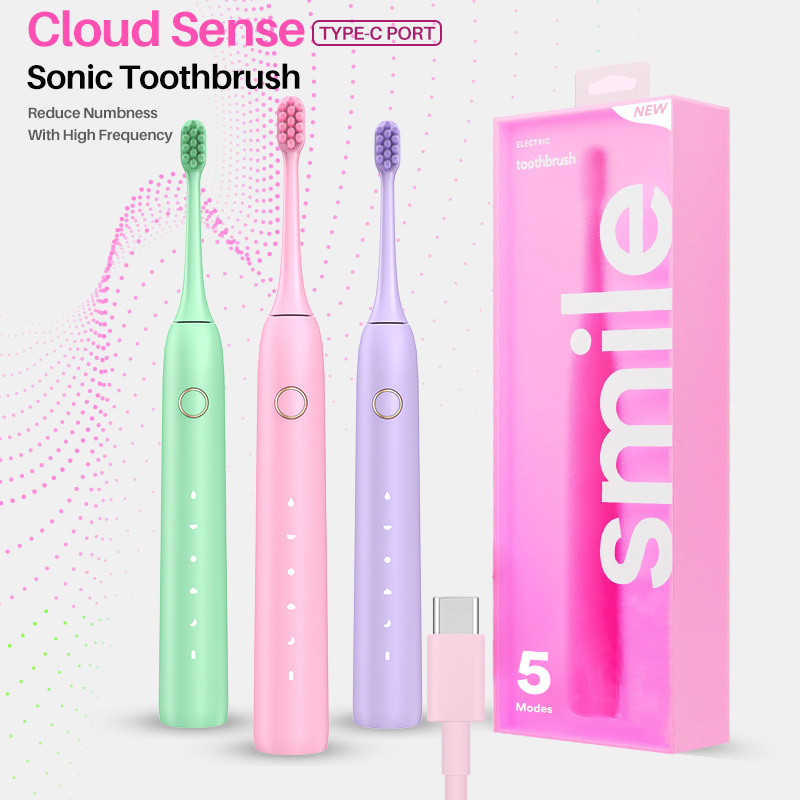
Sonic Toothbrushes
Sonic toothbrushes utilize high-frequency vibrations to provide a powerful cleaning action. The rapid movement creates a fluid dynamic that enhances plaque removal and gum health.
Ultra-sonic Toothbrushes
Ultra-sonic toothbrushes operate at even higher frequencies than sonic models. They can disrupt plaque and bacteria in hard-to-reach areas, making them ideal for individuals with specific oral health concerns.
4. Brushing Modes: Finding the Right One for You
Electric toothbrushes often come with multiple brushing modes tailored to different needs. Here are some common modes:
Daily Clean Mode
This is the standard mode suitable for everyday use, focusing on effective plaque removal.
Gum Care Mode
Designed for individuals with gum sensitivity, this mode uses gentler oscillations to protect the gums while still providing a thorough clean.
Whitening Mode
This mode is engineered to remove surface stains, contributing to a brighter smile.
Sensitive Mode
For those with sensitive teeth or gums, this mode offers a gentler brushing experience without compromising on cleanliness.
5. Timer Features: Ensuring Effective Brushing
One of the standout features of electric toothbrushes is the built-in timer. This function ensures that users brush for the recommended two minutes. Some advanced models even include quadrant timers that prompt users to switch areas of the mouth.
Importance of Timing
Brushing for the correct duration significantly impacts oral health. Proper timing helps in achieving a comprehensive clean, reducing the risk of cavities and gum disease.
6. Pressure Sensors: Protecting Your Gums
Many electric toothbrushes are equipped with pressure sensors that alert users when they are applying too much force. This feature is crucial for preventing gum damage and ensuring a safe brushing experience.
Benefits of Pressure Sensors
By regulating brushing pressure, these sensors help maintain gum health and prevent enamel erosion. Users can focus on cleaning without the risk of over-brushing.
7. Battery Life: What to Expect
Battery life is a critical consideration for electric toothbrushes, particularly for those who travel frequently. Understanding what to expect from battery performance will inform your choice.
Types of Batteries
Most electric toothbrushes utilize rechargeable lithium-ion batteries, providing extended usage on a single charge. The average battery life ranges from 7 to 10 days, depending on usage and model.
Charging Options
Some models come with charging docks, while others offer USB charging capabilities, enhancing convenience for users.
8. Smart Technology in Electric Toothbrushes
The integration of smart technology in electric toothbrushes has opened new avenues for enhancing oral health. These advanced features cater to modern users' needs, offering personalized experiences.
Bluetooth Connectivity
Many electric toothbrushes now come with Bluetooth capabilities, allowing users to connect their devices to smartphone applications. These apps can provide real-time feedback on brushing habits, track progress, and offer personalized tips for improvement.
Guided Brushing
Some high-end models offer guided brushing experiences through interactive features, ensuring users effectively cover all areas of their mouth.
9. Frequently Asked Questions
1. Are electric toothbrushes better than manual brushes?
Yes, electric toothbrushes generally provide more effective plaque removal and enhanced gum health compared to manual brushes.
2. How often should I replace my electric toothbrush head?
It is advisable to replace the brush head every three months or sooner if bristles appear worn.
3. Can children use electric toothbrushes?
Yes, electric toothbrushes are suitable for children, but it is essential to choose a model designed specifically for their age group.
4. Do electric toothbrushes require special toothpaste?
No, you can use any fluoride toothpaste with electric toothbrushes. The choice of toothpaste does not affect the brush's performance.
5. Are there any side effects of using an electric toothbrush?
Generally, electric toothbrushes are safe. However, users should pay attention to the pressure applied while brushing to prevent gum irritation.
10. Conclusion
In conclusion, selecting the right electric toothbrush involves understanding the features that matter most for your oral health. From advanced cleaning modes to essential safety features like pressure sensors, each aspect plays a vital role in enhancing your dental care routine. By investing in an electric toothbrush that aligns with your needs, you can significantly improve your oral hygiene and achieve a healthier smile. Take the time to explore the various options available to find the perfect electric toothbrush that meets your unique requirements and preferences.
Related news

undefined
Related products
COMPANY
About Us
OEM Service
After-Sale: info@glorysmile.com
QUICK CONTACT
Makou Industrial Park, Yongxiu County, Jiujiang City, Jiangxi Province, China, 332000
+86 17779110152
Follow Us

Copyright © 2022 DENT(HK)LIMITED LTD SEO
 +8617779110152
 tasha@enjoywhite.com
 Message
